Angola's succession dilemma: can Lourenço hold power after 2027?
The Angola Briefing | Thursday 12 November 2026
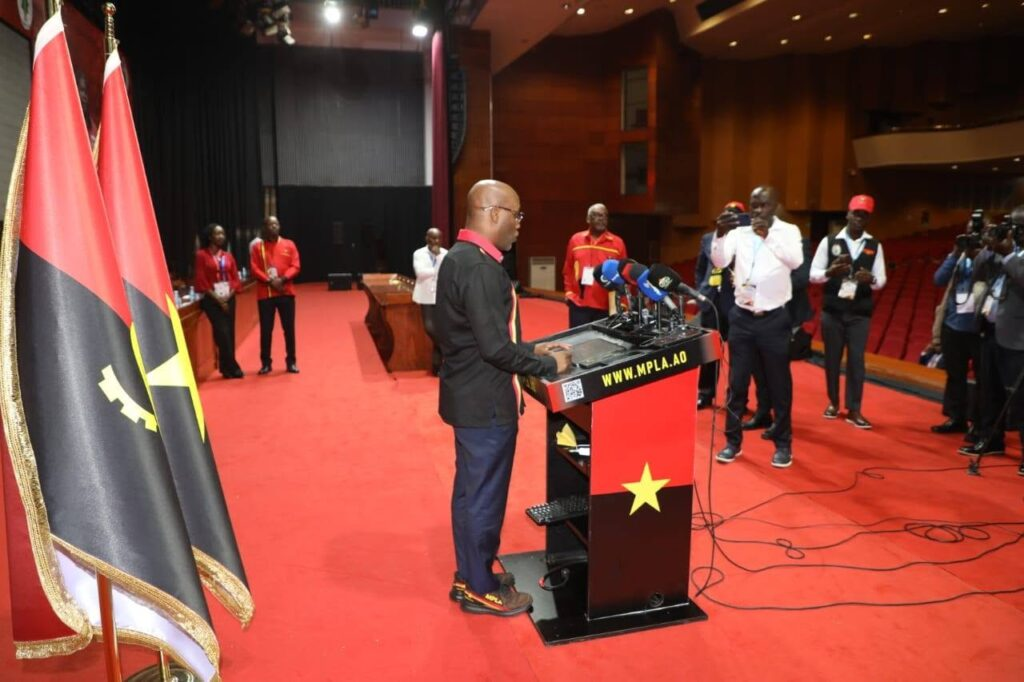
President João Lourenço appears set to retain the leadership of Angola's ruling MPLA when the party holds its congress in December. But will that position allow him to control his successor as president of the republic, or could he find himself sidelined once he leaves office?
This week, Zitamar editor-at-large Fernando Lima was joined by political analysts Paula Cristina Roque and Rui Verde to examine the struggle over the MPLA's succession, the prospects for the opposition and the risks surrounding Angola's 2027 general elections.
The discussion also covered nearly $1bn in newly authorised infrastructure projects, mounting pressure on public finances and concerns about the credibility of the electoral register.
Watch the Angola Briefing discussion here:
LEADER | Lourenço's succession dilemma: party leadership may not guarantee political power
João Lourenço is approaching the end of his second and final presidential term with his position at the head of the ruling MPLA apparently secure. His two prospective challengers, Higino Carneiro and António Venâncio, have been excluded from the party's December leadership contest, leaving Lourenço as the only approved candidate. Yet retaining the party presidency may prove considerably easier than maintaining control of the government that succeeds him.
That was the central question examined by political analysts Paula Cristina Roque and Rui Verde in this week's Angola Briefing. Both questioned the assumption that Lourenço could simply appoint a successor and continue directing Angola's political affairs from the MPLA headquarters, although they differed in their assessments of how the transition might unfold.
For Verde, the problem is structural. Angola's president exercises authority over the institutions that make political power effective: the state budget, Sonangol, the intelligence services, the police and the armed forces. The president of the MPLA, if no longer head of state, would not automatically control any of them.