Angola Briefing: Economic recovery, but where is the investment?
Fernando Lima was joined by economist Francisco Paulo and Angolan entrepreneur and political commentator Cláudio Silva to examine the country’s economic outlook and the prospects for its private sector

Standard Bank expects Angola's economy to grow by 6.6% this year, yet investment as a share of GDP has fallen to roughly a third of its level a decade ago. The country's ability to translate economic growth into employment and better living standards remains in question.
For this week's Angola Briefing, Zitamar News editor-at-large Fernando Lima was joined by economist Francisco Paulo and entrepreneur Cláudio Silva to examine the obstacles to productive investment. They also discussed banking sector profitability, Grupo Carrinho's expansion, new port investments, the development of Angola's tourism industry and the forthcoming MPLA congress.
Catch up on this week's editions of Angola Today:
 Zitamar Ltd
 Zitamar Ltd
 Zitamar Ltd
 Zitamar Ltd
LEADER | Angola’s economic recovery: strong growth, weak investment
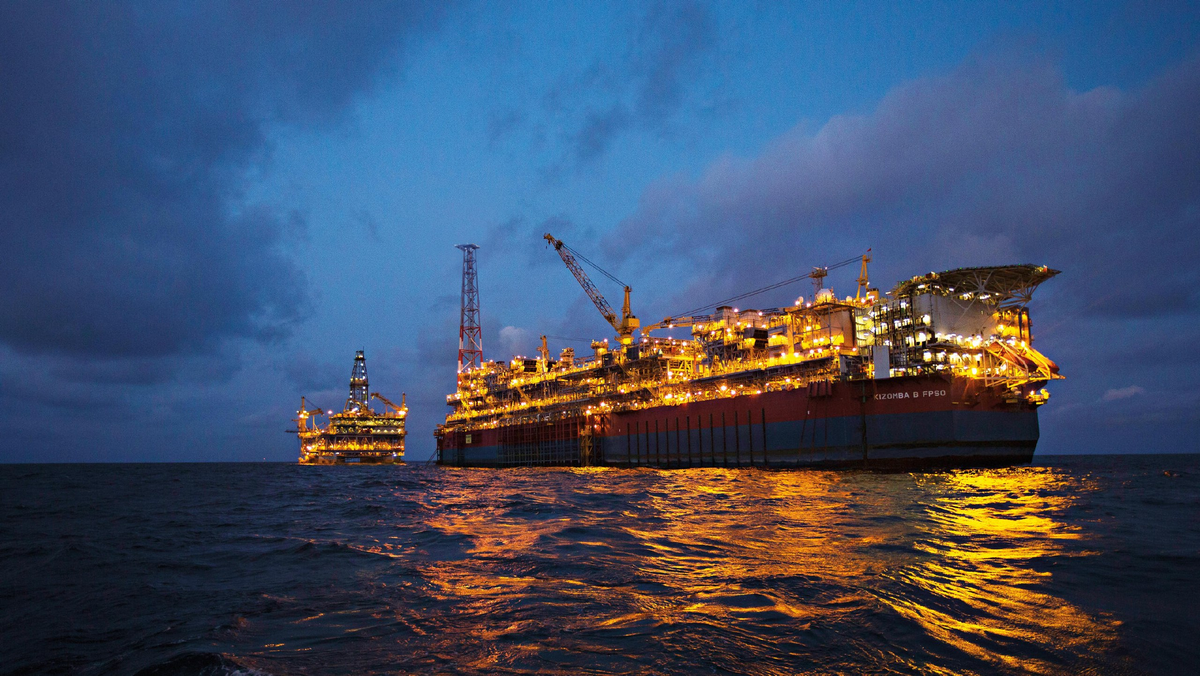
Standard Bank's latest economic forecasts put Angola's GDP growth at 6.6% in 2026 and 5.1% in 2027, supported by favourable oil prices and expansion in the non-oil economy. The projections are more optimistic than those of the government, central bank and major international financial institutions.
Yet the Africa's Development Dynamics 2026 report, published on Wednesday by the OECD and African Union, provides a less encouraging assessment of Angola's longer-term economic trajectory. Gross fixed capital formation fell from 30.1% of GDP in 2016 to 10.4% in 2024, considerably below the African average of 19.1%. The figures predate the current recovery, but illustrate the scale of the investment deficit Angola needs to overcome.
For Cláudio Silva, the central weakness of Angola's economy remains its inability to generate sufficient formal employment. Agricultural activity and non-oil exports are expanding, but the economy is struggling to absorb the hundreds of thousands of young people entering the labour market each year.
Francisco Paulo drew an important distinction between the composition of GDP and the country's sources of income. Although activities outside the petroleum sector now account for the majority of economic output, oil remains overwhelmingly important to exports and government revenue while directly employing relatively few Angolans. Investment also remains concentrated in extractive industries, limiting its contribution to employment.
The improvement in oil prices has increased the availability of foreign currency, according to Standard Bank chief economist Fáusio Mussá. However, net international reserves have fallen by 5% since the beginning of the year, which Mussá attributed most likely to external debt servicing. Angola's existing financial obligations continue to absorb resources that might otherwise support further investment.
Both panelists identified shortcomings in basic infrastructure that could undermine the economic benefits of large-scale investments. Silva questioned how much domestic producers would gain from the Lobito Corridor without adequate secondary and tertiary roads connecting farms and production centres to the railway. Farmers can struggle to get perishable goods to the nearest town, let alone an international market.
Paulo cited similar difficulties in his home region, where pineapple producers face high transport costs and poor access roads. He also stressed the importance of providing citizens with identification documents and property titles, without which participation in the formal economy and access to bank credit remain difficult.
Electricity presents a comparable problem. The panel acknowledged Angola's substantial investment in power generation, but argued that deficiencies in transmission and distribution still prevent businesses and households from benefiting fully from that capacity.
The economic challenge ahead of the elections
With elections approaching in 2027, the panel questioned whether stronger economic indicators would carry much weight with voters who continue to struggle with unemployment, education and access to healthcare. Paulo pointed to the government's investment in new hospitals, questioning whether sufficient attention had been paid to staffing, remuneration and the availability of medicines.
The recent cooking gas shortage in Luanda illustrates the difficulties of economic reform. RFI reported that cylinders with an official price of Kz1,200 were selling for as much as Kz5,000 on the informal market, despite government assurances that national reserves were sufficient.
Silva described fuel subsidies as a problem the next government will be unable to avoid, citing their fiscal cost and the incentives they create for cross-border arbitrage. Paulo agreed that subsidies should not continue indefinitely, while emphasising the limited purchasing power of ordinary Angolans.
The challenge facing Angola is therefore as much about the allocation of resources as their availability. Extending transport networks to agricultural producers, improving electricity distribution and enabling smaller businesses to obtain finance could do more to broaden the benefits of growth than another generation of large infrastructure projects operating largely in isolation from the domestic economy.
Subscribe to the Angola Briefing for expert analysis of the latest developments every day, and the weekly panel discussion in full.
NEWS REVIEW
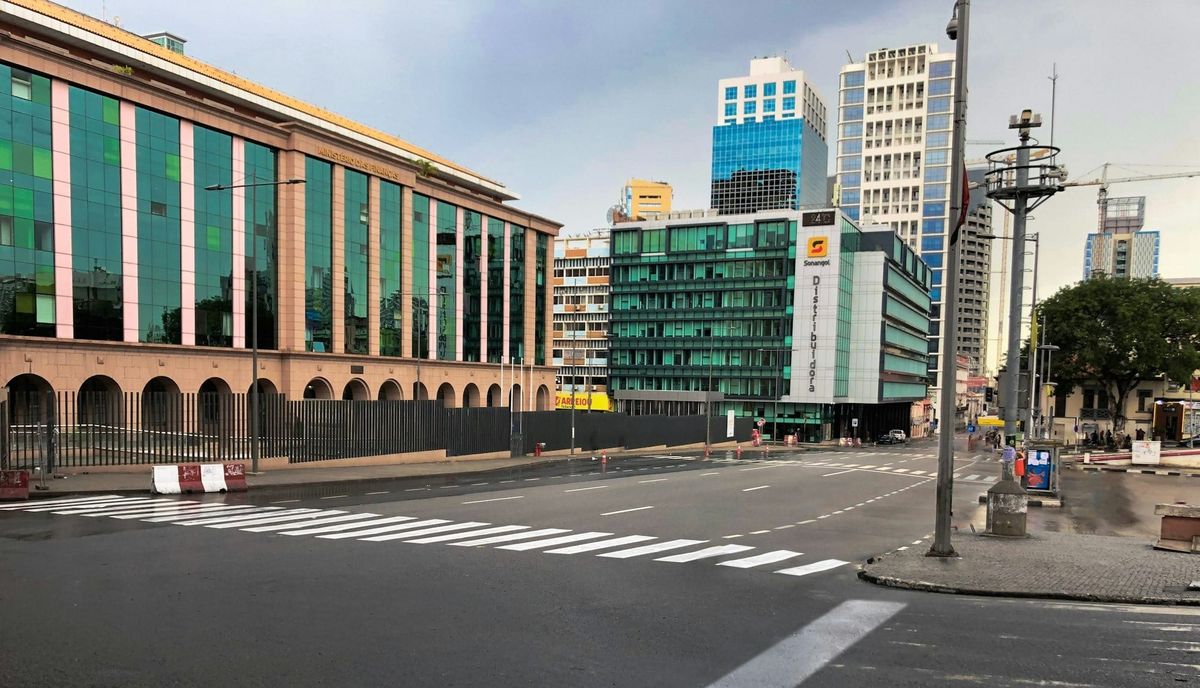
- Angola's banks approach $1 billion in profits, but productive lending remains difficult
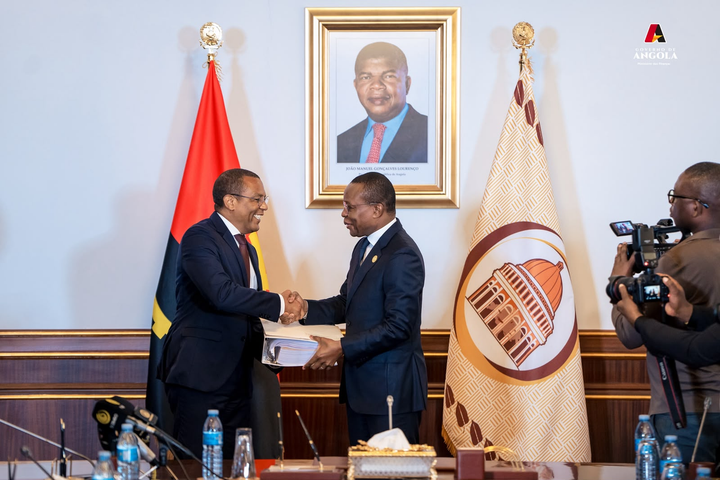
- Unitel clears the way for Grupo Carrinho's acquisition of BFA shares
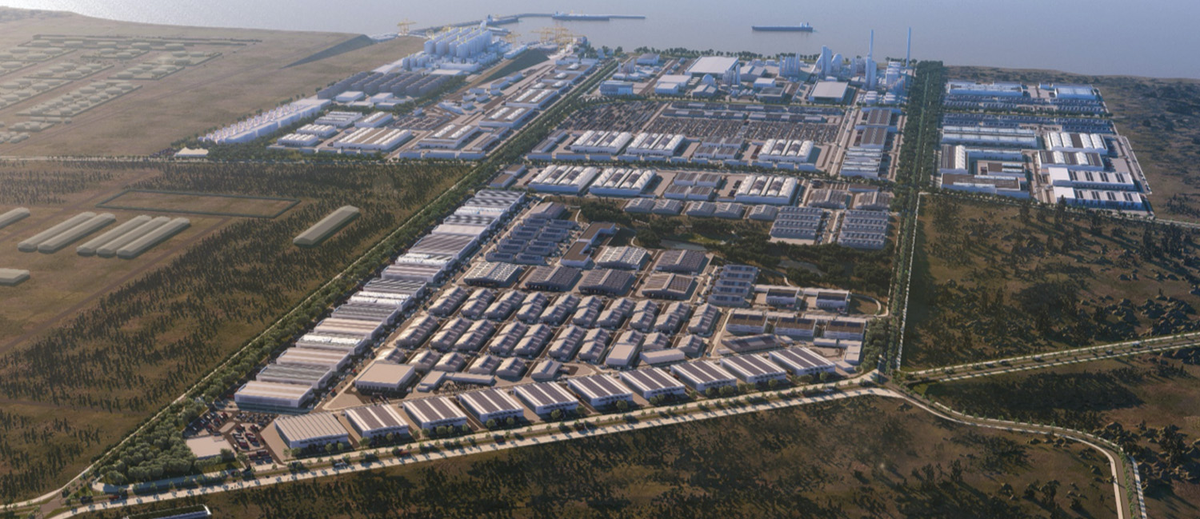
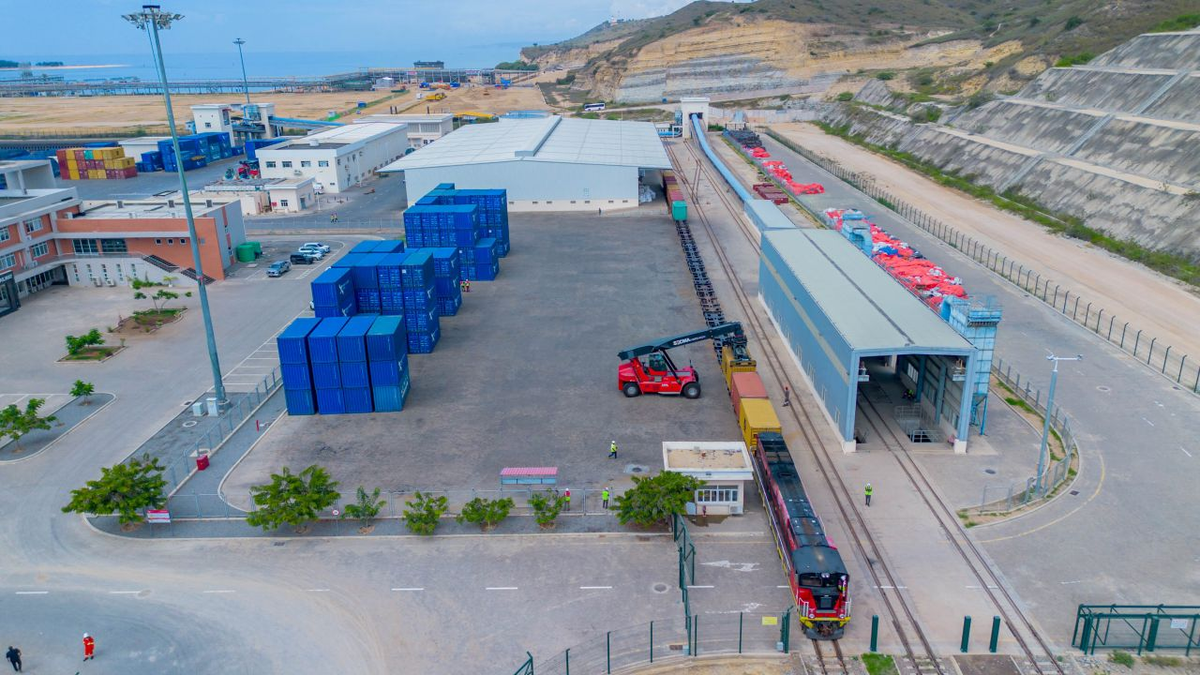
- Barra do Dande and Lobito: Angola's logistics capacity expands
- Tourism gains momentum, but domestic transport remains a major obstacle
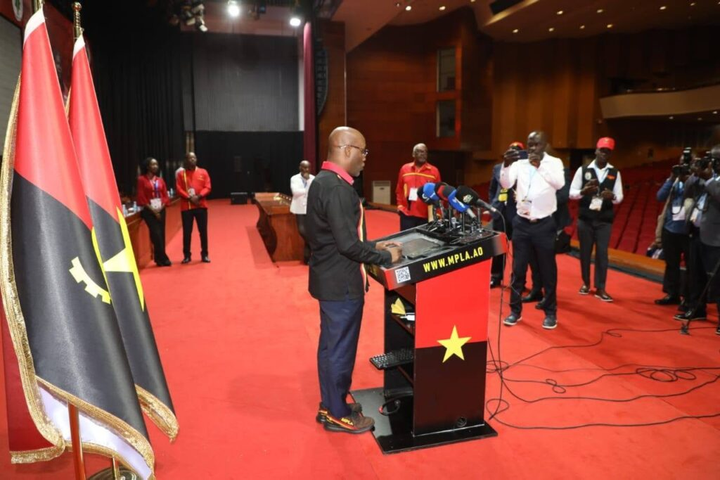
- MPLA prepares to name its presidential candidate in December